As an athlete, you are always looking for ways to gain an edge on the competition. Whether it is through training, diet, or supplementation, there is always something you can do to improve your performance. Hormone physiology is part of that picture, and it is one of the more misunderstood corners of sports nutrition. This is where SERMs come into the conversation.
What is a SERM?
A selective estrogen receptor modulator, or SERM, is a compound that binds to the estrogen receptor. SERMs can have different effects in different tissues throughout the body: in some tissues they behave like estrogen, in others they block it, depending on the specific SERM and the tissue involved (Lonard, D. M., 2002). Estrogen itself plays a role in muscle tissue growth and development, which is part of why researchers have looked at estrogen-receptor activity in the context of body composition and performance.

Selective estrogen receptor modulators were first developed and studied in a pharmaceutical, hormone-related medical research context (Y Maximov, P., 2013). Researchers subsequently became interested in whether similar estrogen-receptor pathways, and receptor-active compounds found in some plants, might have relevance to body composition and athletic performance. That research interest is the origin of “SERM” as a term used in the sports nutrition space, and it is worth being clear that a sports nutrition ingredient described this way is not the same thing as a prescription pharmaceutical, nor is it studied or intended for treating any disease.
How SERM-pathway ingredients may relate to athletic performance
Ingredients researched for their interaction with estrogen-receptor pathways are of interest to athletes for a few reasons. The following reflects what is reported in early research and should be read as background science rather than a promise of individual results.
Muscle Mass and Strength
Estrogen-receptor activity is linked to follicle-stimulating hormone and luteinising hormone signalling, both of which play a role in normal muscle cell turnover. Some of the compounds studied in this space are also reported to interact with signalling pathways involved in protein synthesis, part of how muscle tissue repairs and adapts to training. Any effect on muscle mass and strength depends heavily on training load and total protein intake, in conjunction with a healthy diet and lifestyle.
Body Composition
Early research, including animal studies, has looked at whether estrogen-receptor activity plays a role in fat metabolism and lean-to-fat ratio (Lonard, D. M., 2002). Some human research has looked at subcutaneous and visceral fat specifically. The proposed mechanism involves estrogen receptors and lipid metabolism, though it is not fully understood, and any effect on body composition should be considered supportive at most, in conjunction with a healthy diet, a structured training programme, and adequate sleep and recovery.
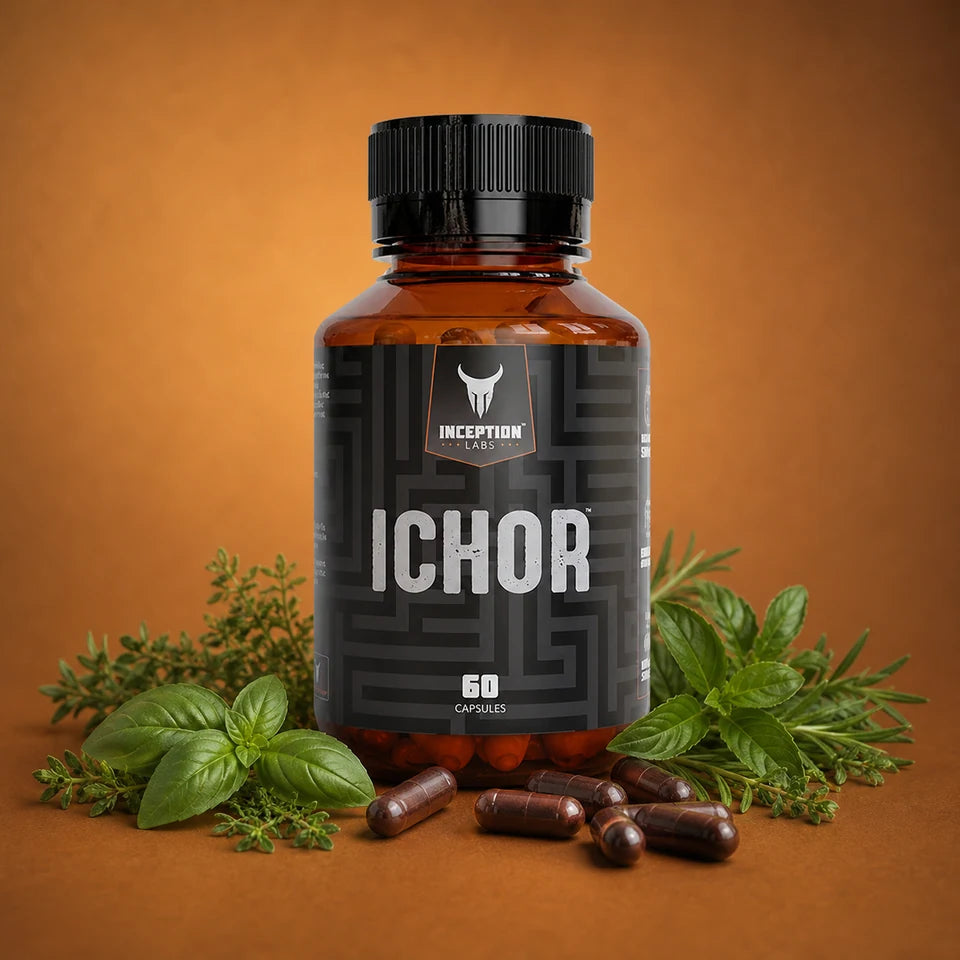
Introducing Ichor from Inception Labs
One of Inception Labs' flagship formulas, Ichor combines two researched ingredients from the estrogen-receptor pathway space, dosed to support body composition and training goals, in conjunction with a healthy diet and lifestyle.
Inception Labs Ichor
A muscle-support and body-composition formula built around Cyanotis vaga extract (with beta-ecdysterone) and oleoylethanolamide (OEA), for athletes training hard and eating to match, in conjunction with a healthy diet and lifestyle.
See ProductCyanotis Vaga Extract (with Beta-Ecdysterone)
Cyanotis vaga extract is a phytochemical compound derived from the dried root of the African Cyanotis vaga plant. It contains beta-ecdysterone, a plant steroid that has been studied in animal research for its role in protein synthesis and muscle tissue size. Some of this research also points to a possible role in growth hormone and insulin-like growth factor-1 release, both involved in normal muscle growth and repair. Cyanotis vaga extract's estrogenic activity is thought to be part of why it has been studied in both men and women. Early research has also looked at exercise performance markers such as VO2 max and fatigue resistance. This is early-stage research, and results in training athletes will vary, in conjunction with a healthy diet and lifestyle.
Oleoylethanolamide (OEA)
Oleoylethanolamide (OEA) is a naturally occurring fatty acid derivative that plays a role in normal metabolic regulation. It has drawn interest in sports nutrition research for its reported interaction with the estrogen receptor in muscle tissue. Some research suggests OEA may support blood sugar availability for muscular energy during exercise, and may play a role in lipid metabolism. Animal studies have looked at muscle mass and strength outcomes; human data in this specific context is more limited. As with the above, any benefit should be considered in conjunction with a healthy diet and lifestyle, and a structured training programme.
Directions for Use
Ichor should be consumed before your largest meal of the day, ensuring adequate carbohydrate intake. Consumption on an empty stomach can result in dizziness and nausea and is strongly discouraged. Always follow the directions on the label and do not exceed the daily recommended dose. This product works best in conjunction with adequate nutritional intake: it is advised to consistently hit your daily protein target for the best results.
For more information, visit inception-labs.com/ichor.
References
Lonard, D. M., & Smith, C. L. (2002). Molecular perspectives on selective estrogen receptor modulators (SERMs): progress in understanding their tissue-specific agonist and antagonist actions. Steroids, 67(1), 15-24.
Y Maximov, P., M Lee, T., & Craig Jordan, V. (2013). The discovery and development of selective estrogen receptor modulators (SERMs) for clinical practice. Current Clinical Pharmacology, 8(2), 135-155.

Dr Matt Walley, PhD
CEO and Managing Director of the wider Inception Group (Supplement Solutions, Inception Labs, Inception Gym, Inception Nutrition), Matt holds a PhD in Structural Equation Modelling and Cognitive Psychology. With over 20 years of industry experience, Matt's expertise extends across supplementation, nutrition, and training, with a particular interest in neuropharmacology. Outside of the health and fitness space, Matt is Managing Director of a linguistics and consumer psychographics AI suite, and owner of a local martial arts school in Christchurch, New Zealand.