There are many myths and misconceptions when it comes to burning fat. People are constantly looking for the newest methods to drop weight quickly. In this article, we debunk some of the most common myths about burning body fat and discuss how exercise, diet, supplementation, and sleep all play a role in fat loss.
Myth 1: You must eat less to lose weight
While you need to create a calorie deficit to lose weight, you should not drastically reduce your calorie intake overnight, as this can lead your body to hold onto fat stores. To see long-term results, you must make sustainable diet changes. Focus on eating whole foods and reducing your portion sizes. Concentrating on nutrient-rich foods and avoiding processed snacks and sugary drinks will help create a calorie deficit without sacrificing essential nutrients.

Myth 2: All calories have the same value
When it comes to fat loss, not all calories are created equal. Some foods, like processed snacks and sugary drinks, are loaded with empty calories, meaning they provide little nutritional value and do not help you feel full. Eating too many nutrient-void foods can sabotage satiety and contribute to cravings.
On the other hand, nutrient-rich foods like fruits, vegetables, and whole grains are packed with fibre and other nutrients that help keep you full and satisfied. They also tend to be lower in calorie density, so including them in your diet can help you lose fat without feeling deprived.
Myth 3: Eating fat makes you fat
You will gain weight if you eat too many calories, whether from carbohydrates, protein, or fat. It is not the fat that makes you fat, it is the excess calories.
The body needs fat to function correctly. Fat provides energy, helps the body absorb vitamins and minerals, and supports cell growth. When you eat fat, it is broken down into fatty acids and glycerol, which are absorbed into the bloodstream and transported to the cells that need them.
Steer towards unsaturated fats found in foods like nuts, seeds, avocados, and fish like salmon and sardines. These foods can help support a healthy inflammatory response and increase feelings of fullness, in conjunction with a healthy diet and lifestyle. Avoid trans fats and minimise saturated fats found in processed foods. When it comes to fat, quality is more important than quantity.
Myth 4: You must do loads of cardio to lose weight
One of the biggest myths about fat loss is that cardio is the only way to burn fat. This is not true. When you perform cardio, your body primarily uses glucose for energy. When you lift weights, your body uses both glucose and fatty acids for energy, and you build muscle that raises your resting energy expenditure over time.
Weight training helps you burn fat in two ways. First, it helps you build muscle, and muscle burns more calories than fat, so increasing your muscle mass helps you burn more calories throughout the day. Second, weight training helps you burn calories after your workout, with elevated energy expenditure for hours after a strength session. Weight training also helps to tone your body and support a healthy metabolism, which further aids fat loss.
Myth 5: You must cut out all carbs to lose weight
Carbs are not the enemy: they are an essential part of a healthy diet. The key is to eat the right kinds of carbs. Complex carbs like whole grains, fruits, and vegetables are slowly digested by the body and provide lasting energy. Simple carbs like sugar and white flour are quickly digested and can cause spikes in blood sugar levels. Be mindful of the types of carbs you are eating and how they fit into your overall health goals.
Myth 6: Exercise is the most important factor in burning fat
While exercise is vital for overall health, it is not the most critical factor in burning fat. Diet plays a much more significant role in weight loss, with studies showing that diet accounts for 80 to 90 percent of weight loss success. If you are trying to lose fat, focus on changing your diet first and foremost. Exercise can help you burn more calories and build muscle, but as the saying goes, you cannot out-train a bad diet.
Myth 7: You have to burn 500 calories a day to lose weight
Ultimately, we must create a calorie deficit to lose weight, but we must look at it in parallel with our caloric intake. A fat loss strategy should also consider variables like age, gender, current weight, and body composition.
Here is something else to consider: structured exercise makes up no more than around 5% of your daily energy burn, while other non-exercise activity makes up around 15%. So, how you spend your time outside the gym can have a significant impact on daily calorie burn. Simply making a conscious effort to move more in your day-to-day life can meaningfully affect your overall energy expenditure.
Myth 8: It's better to work out in the morning
It doesn't matter what time of day you work out; what matters is that you are consistent with your workouts. If you find that you are more likely to stick with your routine training in the morning, then do it. If working out at night suits you better, do that instead. The important thing is to find a time that works for you and stick with it.
Top Tips for Your Fat Loss Journey
Focus on fat loss instead of weight loss.
We often use the terms "weight loss" and "fat loss" interchangeably. However, they are very different things. Weight loss is the decrease in total body mass, caused by a decrease in body fluid, muscle mass, or fat mass. Fat loss, on the other hand, is the reduction of adipose tissue, or body fat.
When you lose weight quickly, you might lose muscle mass, bone density, and water weight as well as fat. This is not only unhealthy, it can also be frustrating because the scale may not move much even as your body composition changes. Fat loss, by contrast, is a more gradual process. You may not see results as quickly as with rapid weight loss, but you are more likely to keep the results in the long run.
Focus on burning fat rather than just dropping numbers on the scale. To do this, eat a healthy, balanced diet that places you in a calorie deficit, and exercise regularly. Avoid crash diets, as these can cause you to lose muscle mass and work against a healthy metabolism. Instead, aim for a steady rate of fat loss that lets you get leaner without sacrificing your health or your hard-earned muscle mass.
Get a good night's sleep.
There are countless benefits to getting a good night's sleep, and support for fat loss is one of them. When you don't get enough sleep, your body produces more of the stress hormone cortisol, which signals the body to store fat, particularly around the abdomen.
When you get enough sleep, cortisol output is better regulated and leptin, the hormone that signals satiety and supports fat metabolism, functions more effectively. Getting enough sleep also helps support a healthy metabolism, so you can burn more calories throughout the day, in conjunction with a healthy diet and lifestyle.
Consider a fat-burning supplement.
Fat-burning supplements can give you an extra edge by supporting a healthy calorie burn rate, helping manage appetite and cravings, and supporting metabolism, in conjunction with a healthy diet and lifestyle. They are not a substitute for diet and exercise. If you are looking to support fat loss, the best approach is a healthy diet and regular exercise first, with a fat-burning supplement as an additional tool.
Recommended Supplement
Not sure if it is right for you? Contact us for personalised advice.
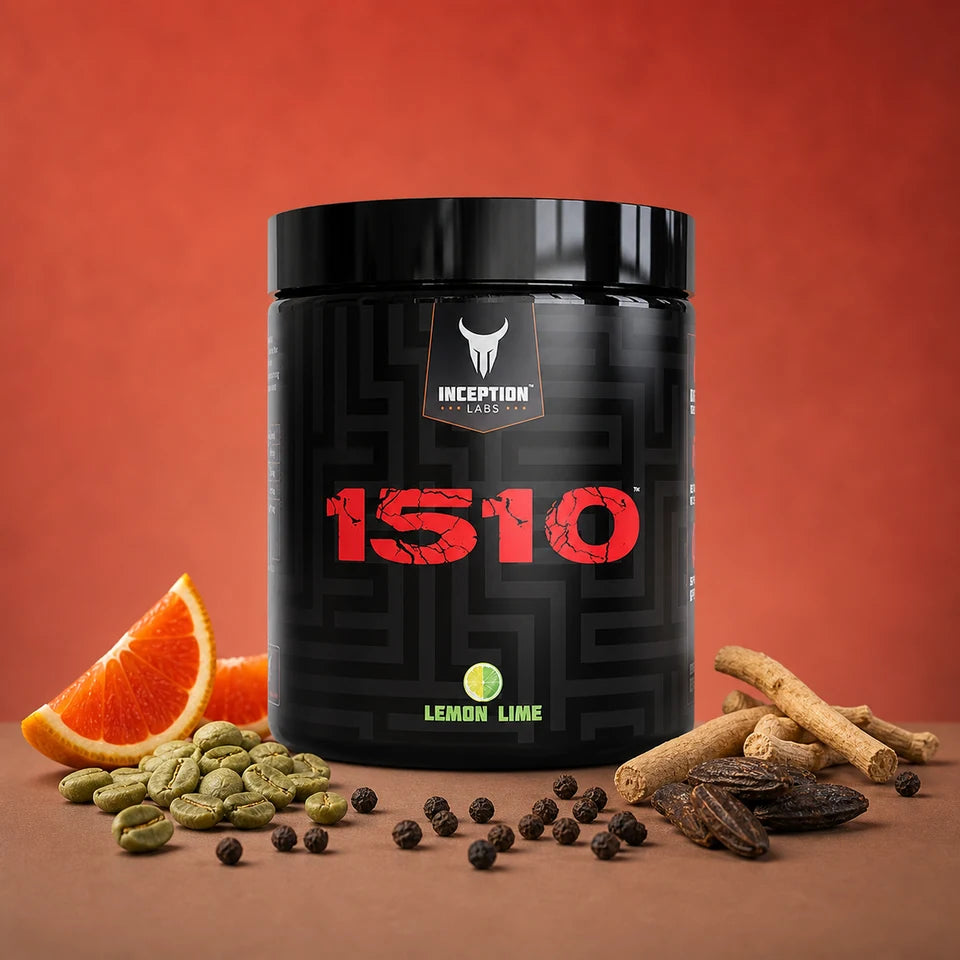
Inception Labs 1510
A daytime metabolism and performance support formula, with ingredients studied for their role in supporting healthy metabolic function, energy, and focus, in conjunction with a healthy diet and lifestyle.
See ProductFinal Thoughts
Fat loss is not about quick fixes or extreme measures. It comes down to a sustainable calorie deficit, nutrient-dense food choices, resistance training, quality sleep, and consistency over time. Supplements can support the process, in conjunction with a healthy diet and lifestyle, but they are the accelerator, not the foundation.

Dr Matt Walley, PhD
CEO and Managing Director of the wider Inception Group (Supplement Solutions, Inception Labs, Inception Gym, Inception Nutrition), Matt holds a PhD in Structural Equation Modelling and Cognitive Psychology. With over 20 years of industry experience, Matt's expertise extends across supplementation, nutrition, and training, with a particular interest in neuropharmacology. Outside of the health and fitness space, Matt is Managing Director of a linguistics and consumer psychographics AI suite, and owner of a local martial arts school in Christchurch, New Zealand.