Quick answer
A sensible beginner stack starts with consistent training, adequate protein and enough sleep, before adding supplements. If protein intake is short, a whey or plant protein powder can help, and creatine monohydrate at 3-5 grams daily is a well-supported, low-cost addition. Caffeine can follow later if useful. Extra products should target a specific gap, not be added by default.
- 01
Training consistency, food and sleep matter more than any supplement for a beginner.
- 02
Protein powder and creatine monohydrate are the two most evidence-backed additions to start with.
- 03
Caffeine can be useful but should be introduced carefully, with total daily intake in mind.
- 04
Buy from reputable New Zealand retailers and check labels rather than chasing the most crowded formula.
What should come before any supplement?
A repeatable training routine, roughly adequate daily protein from meals, and enough sleep will do more for a beginner than any product on a shelf. Supplements are designed to support an existing plan, not replace one that does not yet exist.
If you are new to the gym, spend the first few weeks focused on learning technique, showing up consistently and eating reasonably well. This makes it much easier to tell later whether a supplement is actually adding anything.
Which supplements have the strongest evidence for a beginner?
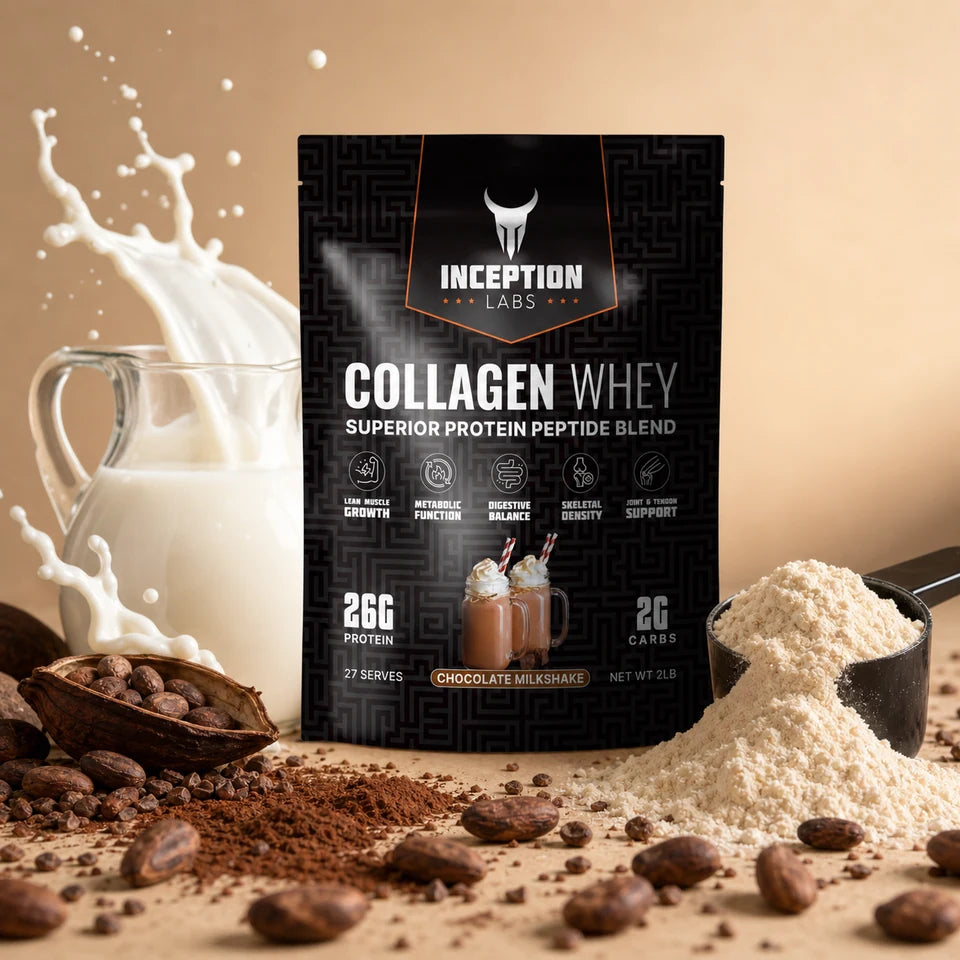
Protein powder is useful if your typical daily protein intake, calculated from food, is genuinely below what your training and body weight suggest you need. It is a convenience tool for closing a real gap, not compulsory for everyone starting out.
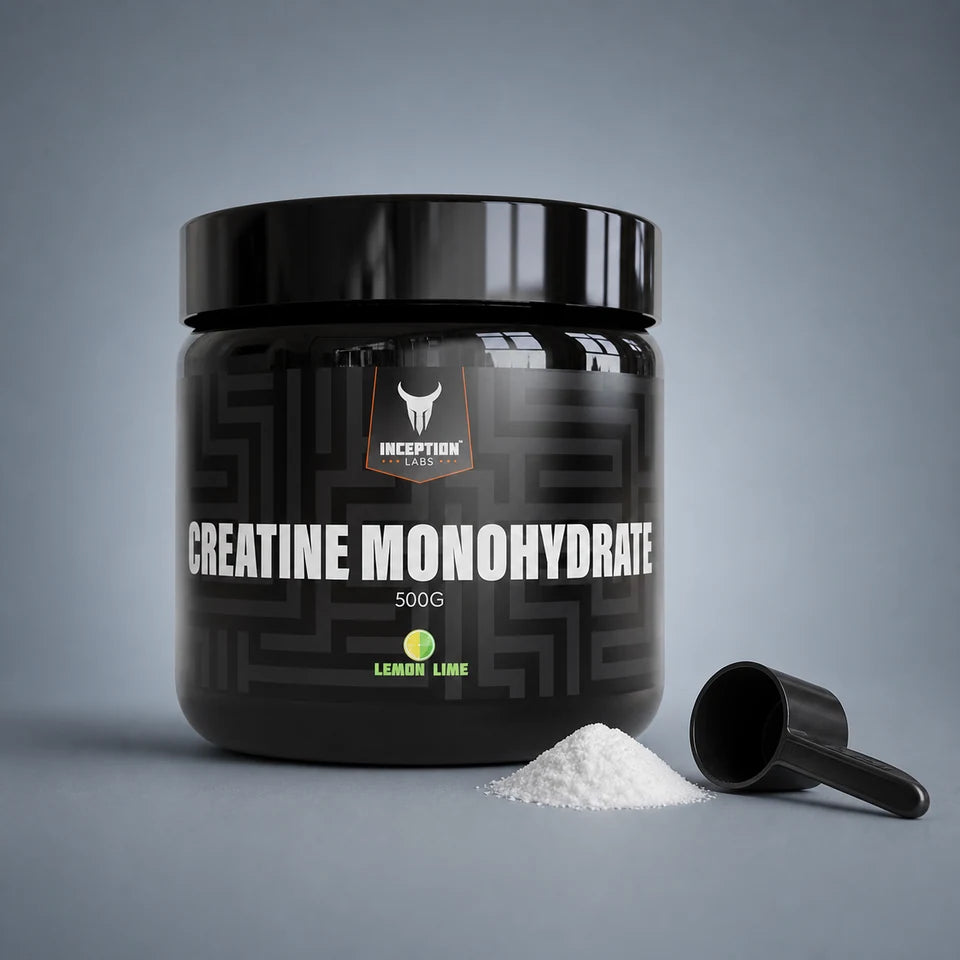
Creatine monohydrate, taken consistently at 3-5 grams a day, is one of the most researched sports supplements available and has a well-established safety and efficacy profile for healthy adults doing resistance training. It does not need to be taken at a specific time of day to work.
What about sleep and caffeine basics?
Protecting a consistent sleep routine supports recovery, training quality and general health more directly than most supplements can. If sleep is inconsistent, address the routine itself before reaching for a sleep-support product.
Caffeine, from coffee or a pre-workout, can support alertness and aspects of training performance for many people. Start with a smaller amount to check your tolerance, and count every source of caffeine across the day, including coffee, tea and energy drinks, rather than judging one product in isolation.
What should you skip, and how do you buy safely in New Zealand?
Large, crowded "all-in-one" stacks marketed at beginners often duplicate ingredients you may already be getting from food or another product, and can make it harder to tell what is actually helping. Start narrow and add deliberately.
Favour established New Zealand retailers or recognised brands with clear contact details, transparent ingredient panels and realistic claims, and check the full supplement panel rather than only the front-of-pack marketing. Dietary supplements sold in New Zealand are regulated under the Dietary Supplements Regulations 1985 and are not individually pre-approved by Medsafe before sale, which makes label transparency and retailer reputation more important when comparing similar products.
- Multiple overlapping products claiming the same benefit
- Anything promising rapid, dramatic results without training or diet changes
- Proprietary blends that hide individual ingredient amounts
- Products bought purely because of aggressive marketing rather than a genuine gap in your routine
People also ask
Frequently asked questions
Do beginners need pre-workout?
No. Pre-workout is optional and mainly useful once you have an established training routine and want to assess whether added caffeine or pump ingredients help a specific type of session.
Is it wasteful for a beginner to start with several supplements at once?
Often, yes. Starting with one or two well-supported basics, such as creatine and protein if needed, makes it far easier to notice what is actually helping compared with introducing several products simultaneously.
How can you tell if a New Zealand supplement retailer is reputable?
Look for clear business contact details, transparent full-ingredient labels, realistic product claims and reasonable customer service history. Comparing a product against current Medsafe safety communications can also help you stay informed of known issues.
Evidence and further reading
This guide provides general education, not diagnosis or individual medical advice. Follow product labels and speak with an appropriately qualified health professional when you are pregnant, nursing, taking medication or managing a health condition.
Keep learning