EAAs (essential amino acids) are the more complete choice for most people. BCAAs are only three of the nine essential aminos; EAAs give you all nine, the full set your body needs to build muscle protein, in conjunction with a healthy diet and lifestyle.
"BCAA" and "EAA" get used almost interchangeably in the gym, but they are not the same thing, and the difference decides whether you are spending money usefully or on something redundant. Here is the actual physiology, in plain terms.
The short version: what each one is
Your body uses 20 amino acids to build protein. Nine are essential, meaning you must get them from food because your body cannot make them. Those nine are the EAAs. Three of them, leucine, isoleucine and valine, have a branched molecular structure, which gives the branched-chain amino acids their name. So every BCAA is an EAA, but only three of the nine EAAs are BCAAs.
That single fact is the whole debate in miniature. A BCAA supplement gives you three building blocks; an EAA supplement gives you all nine. Muscle protein is built from all nine, so completeness matters.
Why BCAAs became popular, and where the logic breaks down
BCAAs earned their reputation honestly. Leucine in particular switches on muscle protein synthesis, the signalling step that tells your body to start building, which made BCAAs look like the efficient choice: take the trigger, skip the rest.
The problem is that flipping the switch is not the same as having the materials to build. Leucine signals "start construction," but if the other essential aminos are not present, the building work stalls. Research has converged on a clear point: leucine raises the signal, but full muscle protein synthesis depends on all nine essential aminos being available, which is why EAA formulas have largely overtaken BCAA-only products, in conjunction with a healthy diet and lifestyle.
Do you even need amino acids if you eat enough protein?
This is the honest question, and it deserves an honest answer. If you are already hitting your daily protein target, a complete protein source like whey already contains all nine essential aminos in good ratios, so an EAA or BCAA supplement is not doing anything your protein is not already doing.
Aminos earn their place in specific scenarios: fasted training, very long or two-a-day sessions, training in a calorie deficit where total protein is harder to keep high, or simply wanting a light intra-workout drink that supports hydration and recovery without sitting heavy in your stomach, in conjunction with a healthy diet and lifestyle. The principle to keep: total daily protein is the foundation, and aminos are a situational tool on top of it, not a replacement. Spend on protein first.
Reading an amino label like a pro
Two things to check. First, is it actually complete? A genuine EAA product lists all nine essential aminos. For reference, a clearly-labelled competitor such as Xtend EAA states all nine EAAs at 8.5g per scoop across 40 serves (as at June 2026). If a tub headlines "EAA" but only really doses the three BCAAs, you are paying for a BCAA product in EAA clothing. Second, is the dosing transparent? Proprietary blends that hide individual gram amounts make it impossible to know what you are getting, so hold any amino to the fully-disclosed, per-serve standard you would expect of a creatine or pre-workout label.
What we recommend in New Zealand
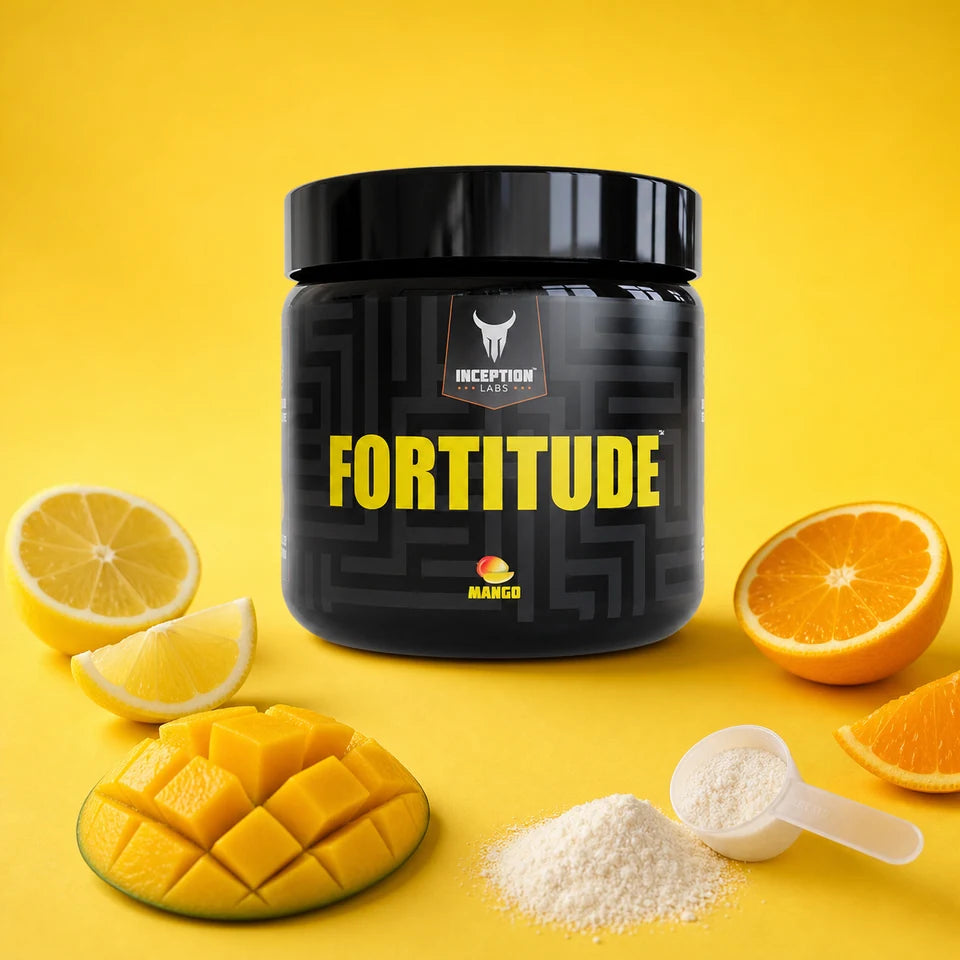
For Kiwi trainers who want a complete amino product rather than a BCAA-only one, Inception Labs Fortitude EAA/BCAA is the recommended starting point. It is built as a full EAA blend with the branched-chain aminos included, designed to support recovery and hydration around your sessions, and works well sipped intra-workout or on fasted and long-session days, in conjunction with a healthy diet and lifestyle. You can also browse the wider range in the Amino Acids collection.
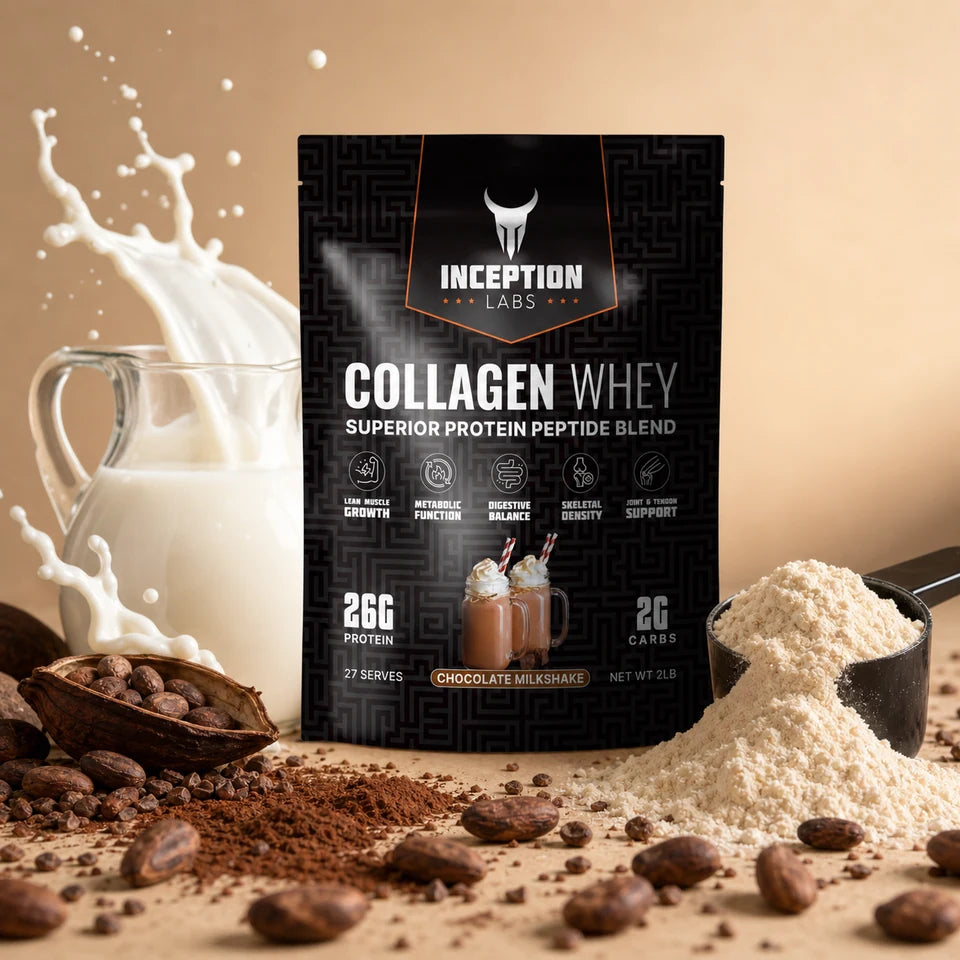
The bigger lever for most people, though, is hitting their daily protein target. A quality complete protein such as Inception Labs Collagen Whey Protein already supplies all nine essential aminos in every serve, which is exactly why protein comes first and aminos second, in conjunction with a healthy diet and lifestyle.
The bottom line
A complete EAA product is the more sensible buy for most people because it supplies all nine essential building blocks rather than three. BCAAs are a partial subset, and neither one replaces eating enough protein. Get your daily protein sorted, then add a complete EAA blend for the sessions where it genuinely helps, in conjunction with a healthy diet and lifestyle.
Frequently asked questions
What is the difference between EAA and BCAA?
EAAs are the nine essential amino acids your body cannot make and must get from food. BCAAs (leucine, isoleucine and valine) are just three of those nine, named for their branched molecular structure. Every BCAA is an EAA, but EAAs give you the complete set your body uses to build muscle protein.
Are EAAs better than BCAAs?
For most people, yes, because muscle protein is built from all nine essential aminos, not just three. Leucine in BCAAs signals muscle building, but the full process needs all nine present. A complete EAA blend covers that, whereas a BCAA-only product supplies a partial set, in conjunction with a healthy diet and lifestyle.
Do I need amino acids if I already take protein powder?
Often not. A complete protein such as whey already contains all nine essential aminos, so if you are hitting your daily protein target you may not need a separate amino supplement. Aminos are most useful for fasted training, long or two-a-day sessions, training in a calorie deficit, or as a light intra-workout drink, in conjunction with a healthy diet and lifestyle.
When should I take EAAs or BCAAs?
The simplest approach is to mix them with water and sip during your workout, or just before and after. Day-long total protein and amino intake matters more than precise timing, so do not stress the exact minute. A complete EAA blend during a hard, long or fasted session is where you get the most value.