Quick answer
New Zealand soils are naturally low in iodine, so many local foods carry less than food grown overseas. Since 2009, most commercial bread must use iodised salt, and Health New Zealand recommends a daily 150-microgram iodine-only supplement for pregnant and breastfeeding women. Those eating little bread, dairy or seafood may still fall short.
- 01
New Zealand soils are naturally iodine-poor, which affects the iodine content of many locally grown foods.
- 02
Most commercially made bread in New Zealand must use iodised salt, a mandatory fortification measure since 2009.
- 03
Health New Zealand recommends a daily 150 microgram iodine-only supplement for healthy pregnant and breastfeeding women.
- 04
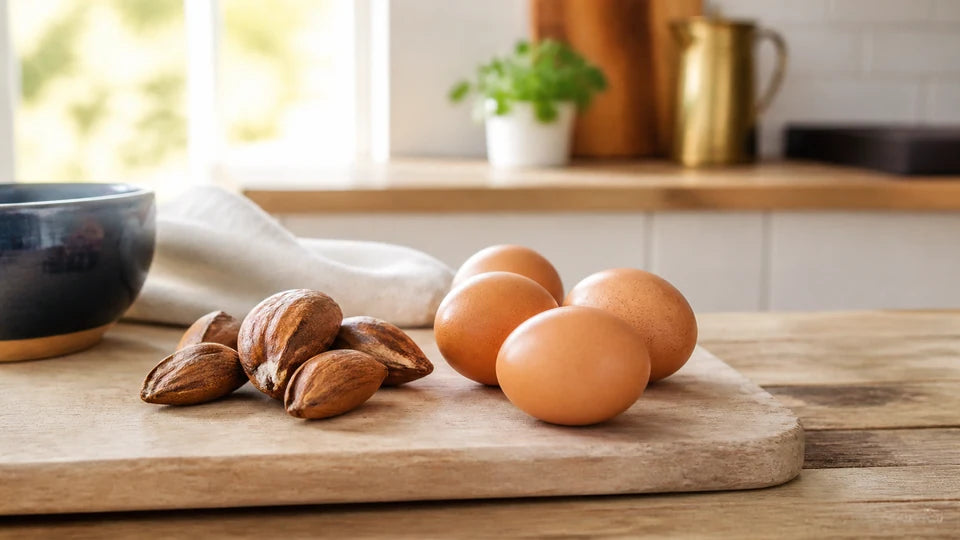
People eating little bread, dairy, eggs or seafood, including some plant-based diets, may have lower iodine intakes than they realise.
Why are New Zealand soils low in iodine?
Iodine is a trace mineral that naturally occurs in soil and seawater, and plants and animals take it up from their environment. New Zealand soils are naturally low in iodine compared with many other regions, which means crops, pasture and the milk and meat from animals that graze on them can also be lower in iodine than food grown in iodine-richer soils overseas.
This is a long-recognised feature of the New Zealand food supply rather than a new problem, and it is one of the main reasons targeted fortification and supplementation policies exist here.
How does bread fortification work?
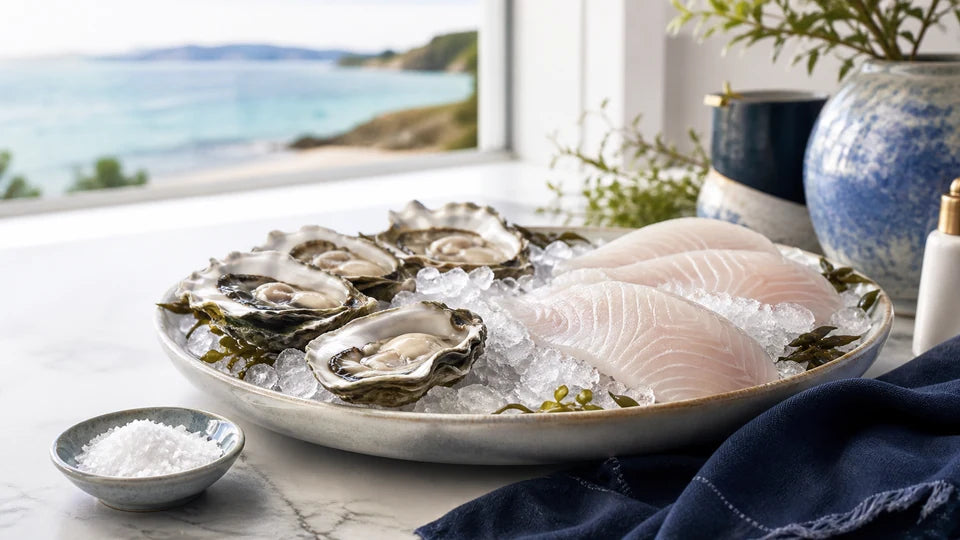
Since 2009, the Australia New Zealand Food Standards Code has required that when salt is added to commercially made bread, it must be iodised salt. This makes bread one of the more reliable dietary sources of iodine for most New Zealanders, alongside seafood, dairy, milk products and eggs.
A few bread categories are excluded from the mandatory requirement, including organic bread and non-yeast-leavened products such as some sourdough, flatbreads and cornbread. If you eat little commercially produced bread, your iodine intake from this source will naturally be lower.
Why is pregnancy different?
Iodine needs increase during pregnancy and breastfeeding because it is essential for a baby's brain and nervous system development, alongside the mother's own thyroid function. Health New Zealand recommends that healthy pregnant and breastfeeding women take a daily iodine-only supplement providing 150 micrograms, separate from a standard multivitamin, and this tablet can be subsidised when prescribed by a midwife or doctor.
This is a targeted public health recommendation rather than general advice for everyone, so it is worth confirming your own iodine plan with your midwife, obstetrician or GP as part of pregnancy care.
Who else might have lower iodine intake?
People who eat vegan or vegetarian diets without eggs, fish, seafood or much dairy are more likely to have lower iodine intakes, simply because several of the richest dietary sources are animal-derived. People who eat very little commercially produced bread are also more likely to be affected.
This does not mean supplementation is automatically required. It means iodine is worth considering as part of an overall varied diet, and worth raising with a health professional if you have particular dietary restrictions or are planning a pregnancy.
People also ask
Frequently asked questions
Does all bread in New Zealand contain iodine?
Most commercially made bread does, because iodised salt is mandatory under the Australia New Zealand Food Standards Code when salt is used. Organic bread and some non-yeast-leavened products such as certain sourdoughs, flatbreads and cornbread are excluded from this requirement.
Do all pregnant women need an iodine supplement in New Zealand?
Health New Zealand recommends a daily 150 microgram iodine-only supplement for healthy pregnant and breastfeeding women, reflecting increased needs during this time. Individual circumstances vary, so confirm the right approach with your midwife, obstetrician or GP.
Can you get enough iodine without a supplement?
Many people can, particularly if their diet regularly includes commercially made bread, dairy, eggs or seafood. People with more restrictive diets, or with higher needs such as during pregnancy, are more likely to benefit from a targeted supplement, ideally discussed with a health professional.
Evidence and further reading
This guide provides general education, not diagnosis or individual medical advice. Follow product labels and speak with an appropriately qualified health professional when you are pregnant, nursing, taking medication or managing a health condition.
Keep learning