Quick answer
For most people, regularly taking vitamin C does not reduce how often you catch a cold; a major Cochrane review found no drop in cold incidence overall. Regular supplementation may modestly shorten duration and severity, with a clearer benefit under brief, intense physical stress. Megadosing is not automatically harmless or a substitute for other immune habits.
- 01
Routine vitamin C supplementation does not reduce cold frequency in the general population.
- 02
Regular supplementation may modestly shorten cold duration and severity in some research.
- 03
People exposed to brief, intense physical or cold stress may see a more consistent benefit.
- 04
Very high-dose vitamin C is not automatically harmless and is not a substitute for other health basics.
Does vitamin C prevent colds in most people?
A well-known Cochrane systematic review examined placebo-controlled trials of regular vitamin C supplementation and found no meaningful reduction in the number of colds people in the general population caught. This directly challenges the popular belief that a daily vitamin C supplement will stop you getting sick.
This does not mean vitamin C is unimportant. It remains an essential nutrient with a genuine role in immune cell function and overall health; the finding specifically relates to whether extra supplemental vitamin C, beyond what a normal diet provides, prevents colds in typical, healthy people.
What about duration and severity?
The same body of research found that people who took vitamin C regularly, rather than only after symptoms started, experienced somewhat shorter and less severe colds on average compared with placebo. Starting vitamin C only once cold symptoms have already begun has not shown a consistent benefit in the available trials.
This distinction between regular, ongoing use and starting after you feel sick is one of the more practically important findings, and it is often missed in general health advice.
Who might see more benefit?
People exposed to brief periods of extreme physical stress, such as marathon runners, skiers or soldiers training in subarctic conditions, showed a more consistent reduction in cold risk with regular vitamin C supplementation in the trials that examined these groups specifically.
This suggests context matters: someone under unusual physical or environmental stress may see a different result to someone in ordinary daily life who already eats a typical varied diet.
Are megadoses of vitamin C harmless?
Vitamin C is water-soluble, and the body excretes what it does not need, which is part of why it has a good general safety record. However, very high intakes, particularly from concentrated supplements rather than food, can cause digestive upset such as diarrhoea and stomach cramps, and may increase the risk of kidney stones in people who are already prone to them.
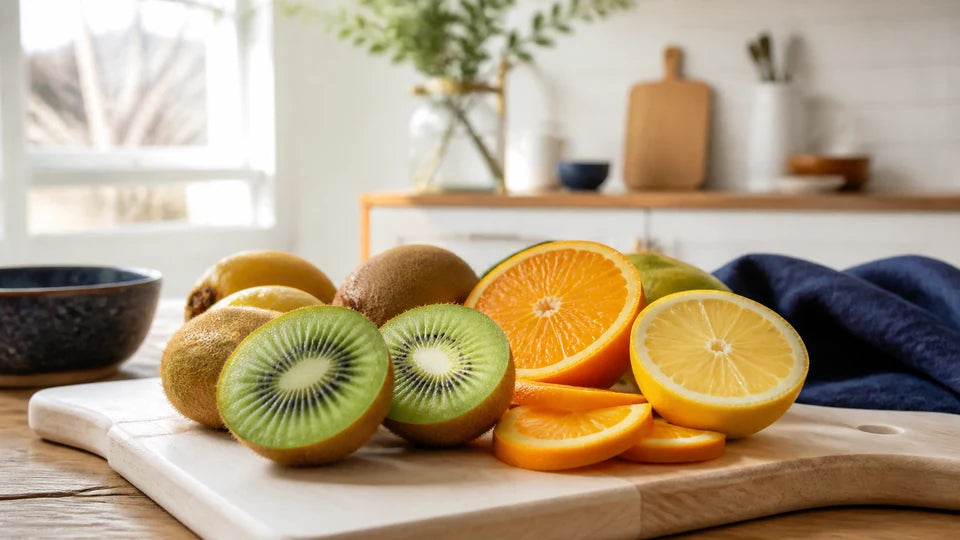
A varied diet with regular vitamin C-rich foods, such as citrus fruit, kiwifruit and capsicum, is a reasonable foundation for most people. If you are considering a higher-dose supplement for a specific reason, it is worth checking with a pharmacist or doctor, particularly if you have kidney issues or a history of kidney stones.
People also ask
Frequently asked questions
Should you take vitamin C when you feel a cold coming on?
The evidence for starting vitamin C only after symptoms begin is weak. Regular, ongoing supplementation before you get sick is the pattern most associated with a modest reduction in cold duration in the available research.
Can you get enough vitamin C from food alone?
Yes, for most people. Citrus fruit, kiwifruit, capsicum and many vegetables provide enough vitamin C to meet typical daily needs without a supplement.
Is it worth taking vitamin C every winter in New Zealand?
The evidence supports at most a modest reduction in cold duration and severity from regular use, not fewer colds overall. Whether that modest effect is worth it is a personal call; it is not a substitute for sleep, diet and hygiene basics.
Evidence and further reading
This guide provides general education, not diagnosis or individual medical advice. Follow product labels and speak with an appropriately qualified health professional when you are pregnant, nursing, taking medication or managing a health condition.
Keep learning